Stock categories
Stock Categories A, B and C - Margin, Risk and Resale Logic
What Category A, B and C stock means, when B or C can increase margin, and how CTOK filters repairable goods from unsellable waste at the warehouse.
Original stock is not one single quality level. The same verified supply chain can produce different commercial profiles: Category A, Category B and Category C. The right choice depends on your retail channel, labour cost, sorting capacity and target margin.
The mistake is to treat Category C as “trash” or Category A as the only profitable option. In real wholesale trading, Category B and C can be excellent when the price is right and the goods are filtered honestly before the lot is offered.
Category A
The cleanest profile: new, unused goods, usually with labels, tags, original packaging or sealed cartons.
Category B
Commercially strong goods with light handling, display, return or packaging differences; often suitable after simple sorting.
Category C
Cheaper goods with visible issues, but still recoverable: repairable, washable, sortable or usable for outlet and discount channels.
01
Category A is the easiest profile to sell, but it costs more.
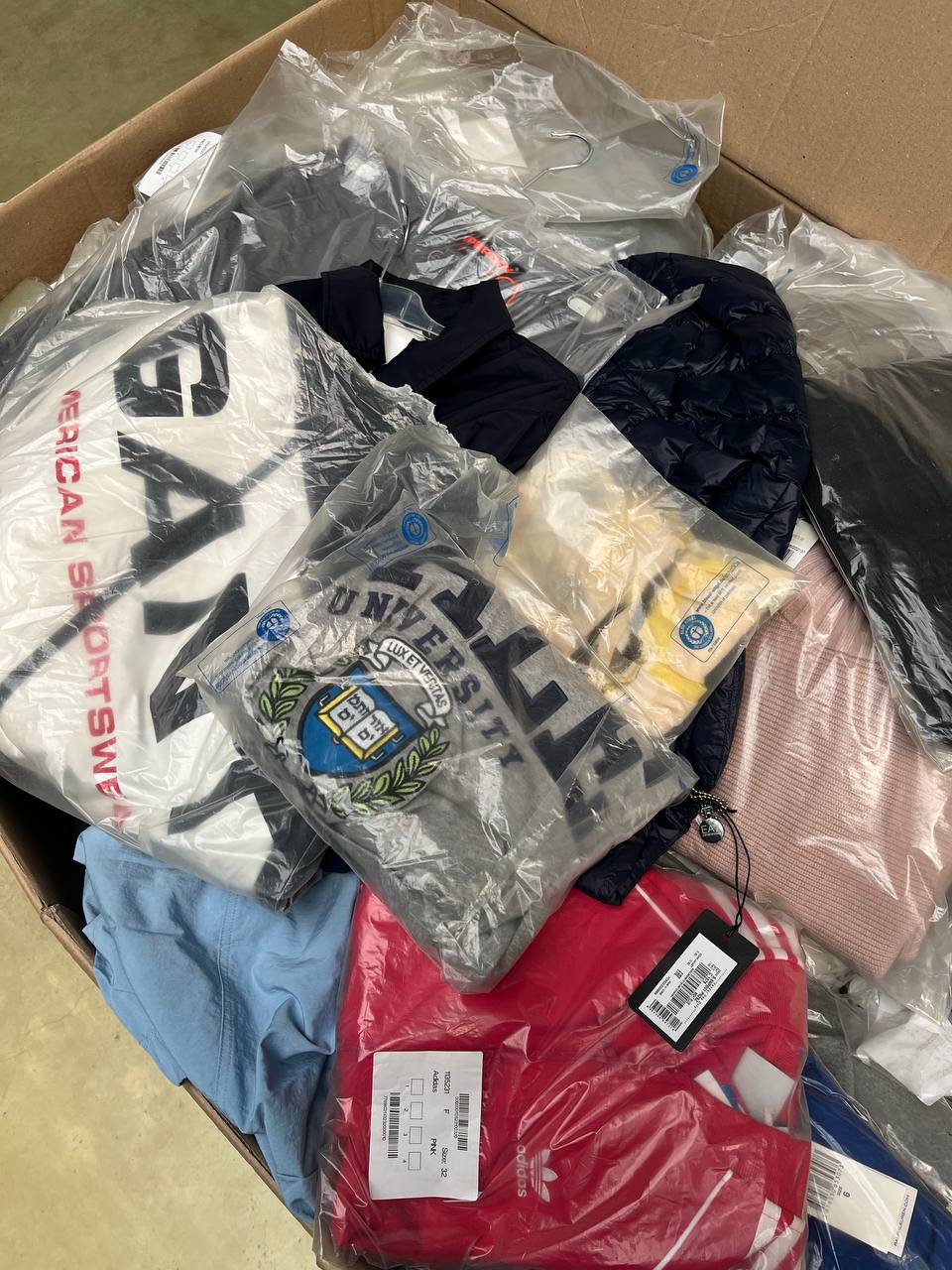
Category A normally means new retail goods: unused, clean, often sealed or packed, with tags or labels on all or most pieces. This profile is the easiest for normal stores, outlets and online resale because the buyer spends less time sorting and explaining the goods.
The trade-off is price. Category A protects time and reputation, but the purchase price is higher. It is best for buyers who need a clean shelf-ready profile and cannot spend much labour on sorting or repair.
02
Category B can be the sweet spot for many resale models.
Category B can include returns, display pieces, opened packaging, minor handling marks, missing hang tags on part of the goods or mixed presentation. It is still original stock, but it needs more attention before resale.
For buyers with a good sorting team, Category B can create better margin than Category A. You buy cheaper, sort the goods, separate stronger pieces, and resell them through channels where small packaging differences are acceptable.
03
Category C is not waste when the warehouse filters it properly.
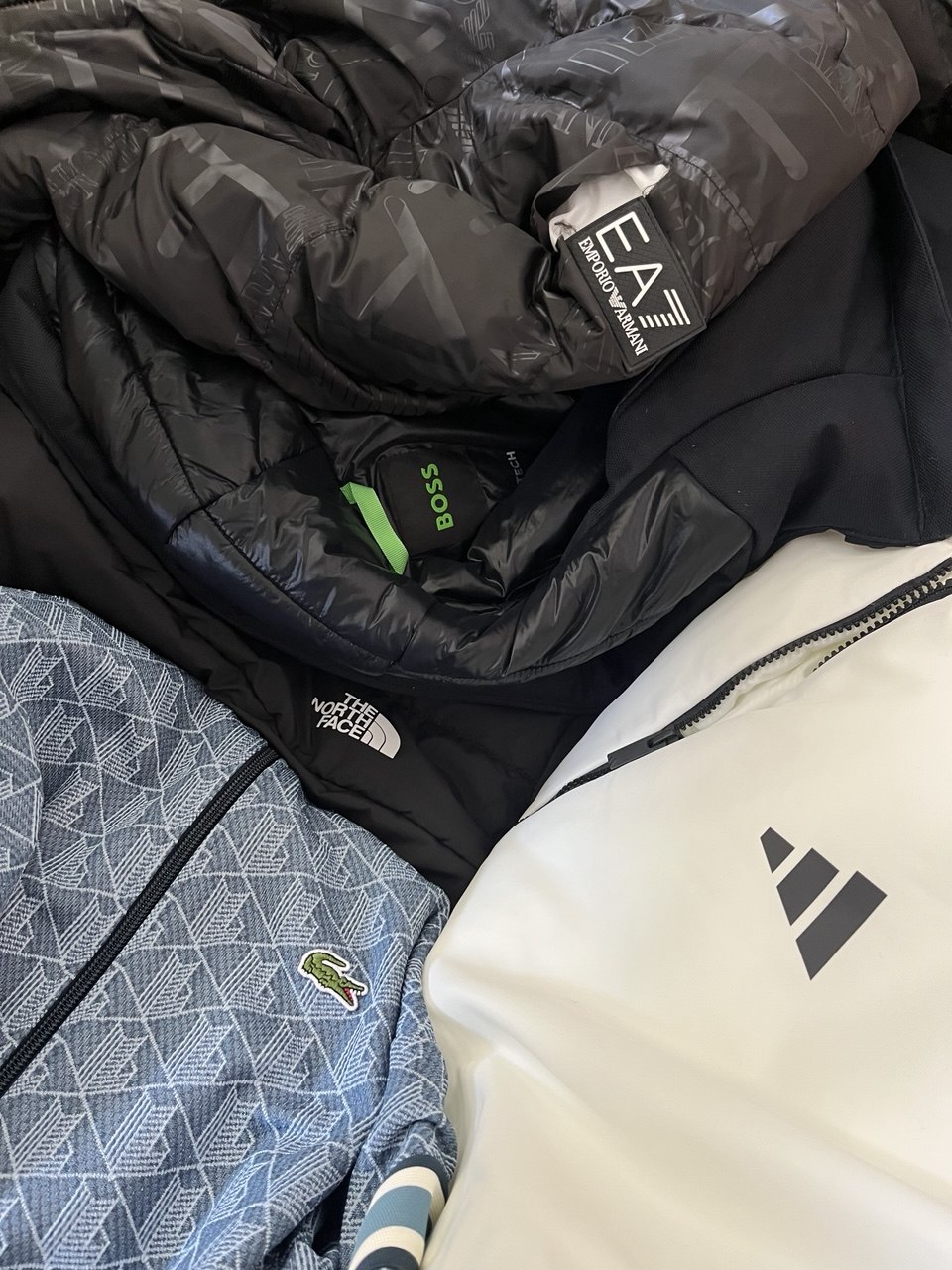
Category C has visible issues: defects, missing buttons, broken zippers, damaged packaging, washable marks or other repairable problems. That does not mean the lot is garbage. It means the lot is cheaper and needs a buyer who knows how to recover value.
Our warehouse team filters goods before a lot is offered. We do not build commercial lots from unsellable waste. If a piece has no realistic resale, repair, outlet or recovery value, it should not be sold as part of a serious B2B position.
04
The best category depends on your business model.
A premium store usually wants Category A. A discount chain may accept Category B. A repair workshop, outlet network or market trader can sometimes earn more from Category C because the entry price is much lower.
The question is not “which category is best?” The question is “which category fits your labour, channel and margin model?” A buyer with cheap sorting labour can often turn B or C into stronger profit than a buyer who only wants perfect cartons.
Related guide
First check authenticity, then check condition
If you have not read it yet, start with the guide on original branded stock versus replicas.
Read authenticity guideCondition category is a commercial decision
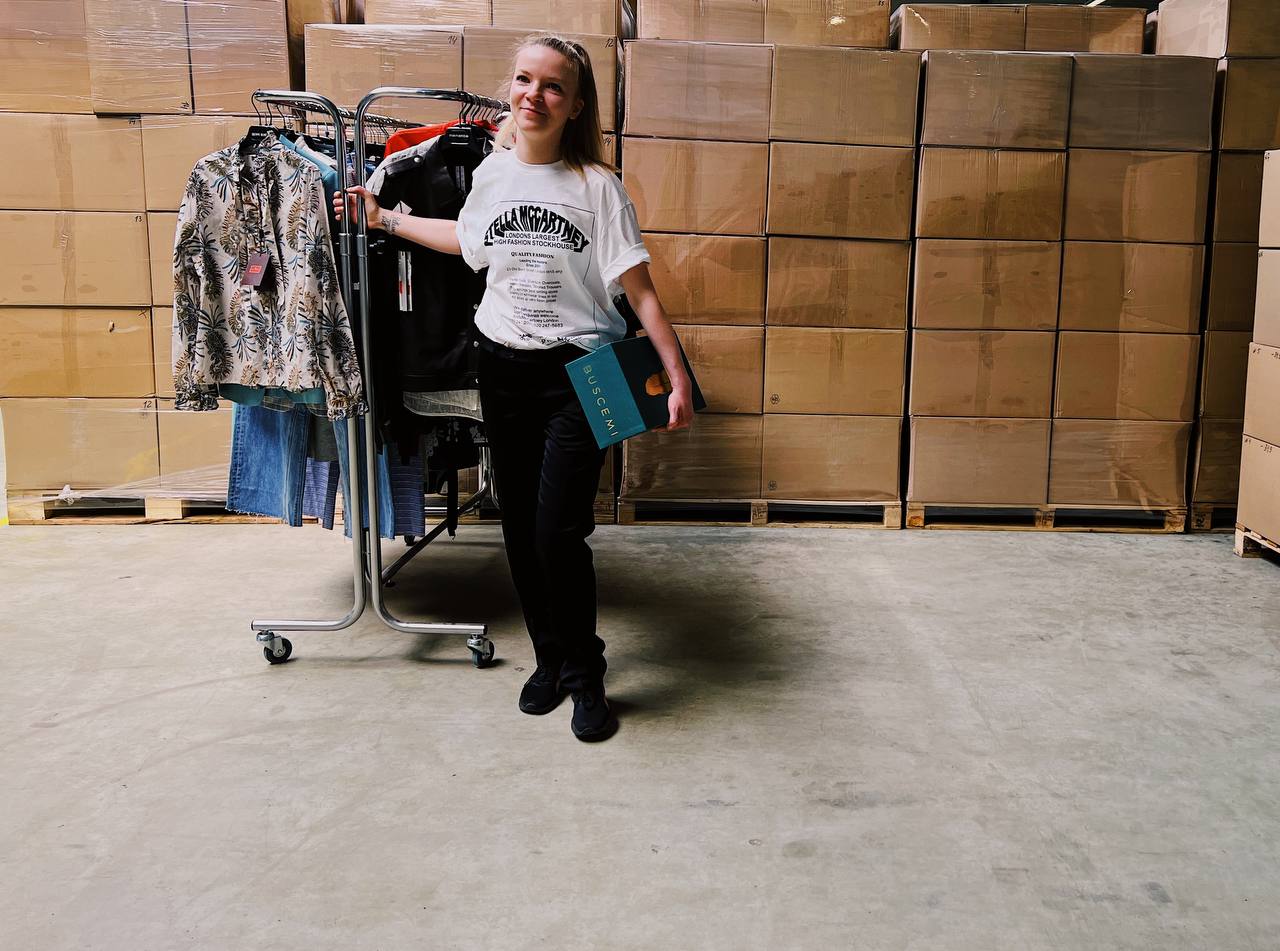
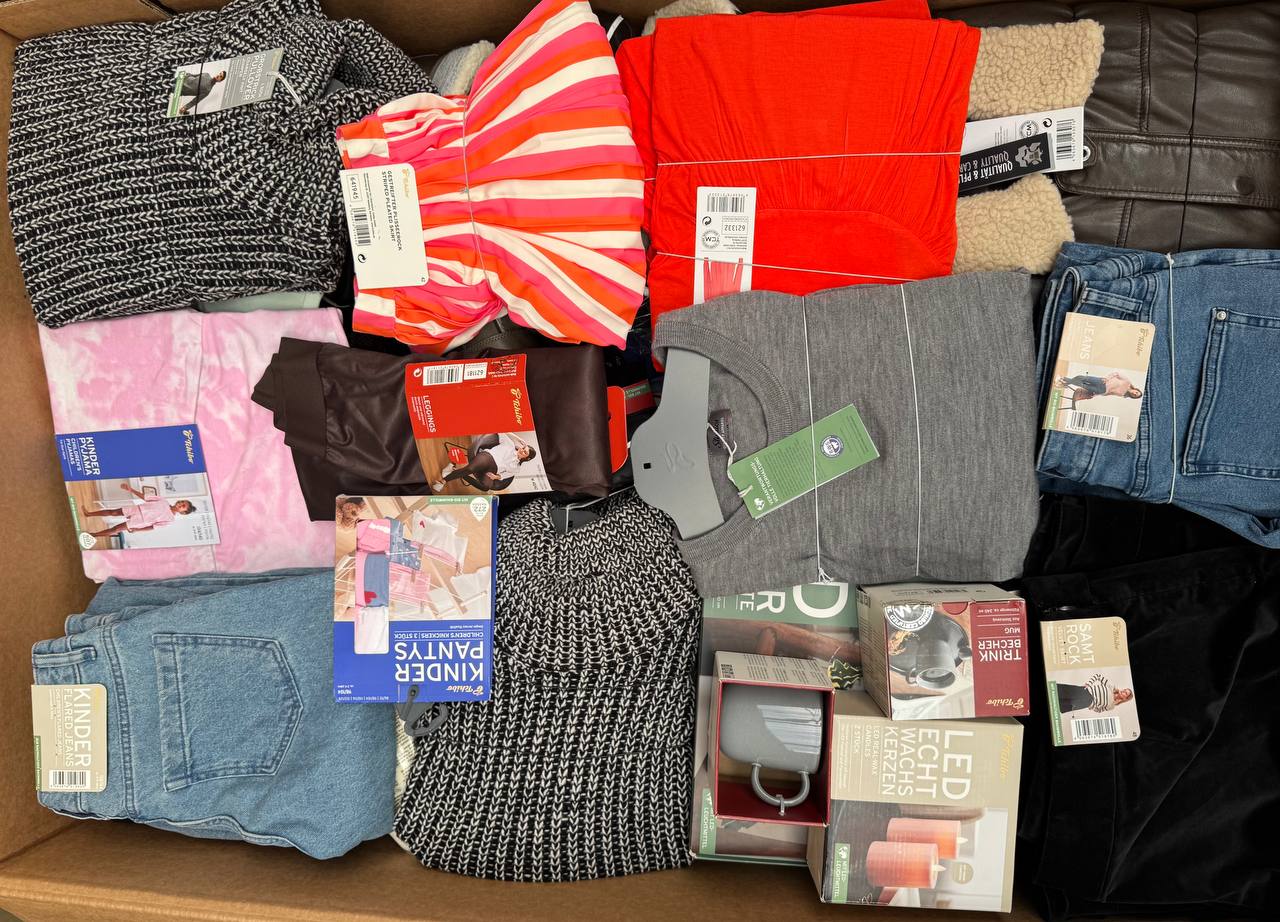
Labels, packaging, carton condition and visible handling tell the buyer how much work is needed before resale.
Condition logic
A, B and C in practical resale terms
Decision checklist
How to choose the right category
- Can your team sort and grade goods quickly?
- Do your customers accept opened packaging or minor defects?
- Is repair, washing or re-tagging possible in your operation?
- Is the lower price large enough to cover labour and rejects?
- Do you need shelf-ready goods, or can you work with mixed condition?
CTOK B2B
Tell us your resale model and we will match the category.
Some buyers should stay with Category A. Others make better money with B or C. Send your channel, labour capacity and target price level, and we will show the lot profile that fits.