Original goods
Original Brand Stock vs Replicas - How B2B Buyers Check Lots
How B2B buyers avoid replica stock: original branded goods, packing lists, retail labels, packaging, documents and CTOK warehouse barcode checks.
Warehouse proof
Barcode, authenticity and retail price checks before the offer.
In this CTOK warehouse video, our colleague scans product barcodes with a picker and checks authenticity signals plus retail price data. It is one more practical layer next to lot photos, labels, packing lists and documents before payment.
In wholesale stock, the cheapest offer is not always the safest offer. A replica lot can look attractive on a spreadsheet, but it can damage customs clearance, marketplace accounts, store reputation and long-term customer trust.
The difficult part is that the market has many sellers who use the same words: original, branded, outlet, European stock. Some are serious. Some are middlemen with weak paperwork. Some are simply trying to sell replicas under a nicer name.
CTOK works with original branded stock from verified European retail and brand channels. We sell goods with real lot information, warehouse photos, documents where available, and clear condition notes before a buyer commits.
Documents before payment
A serious seller should explain what documents exist for the lot: invoice, packing list, item table, category split and export information.
Retail labels and tags
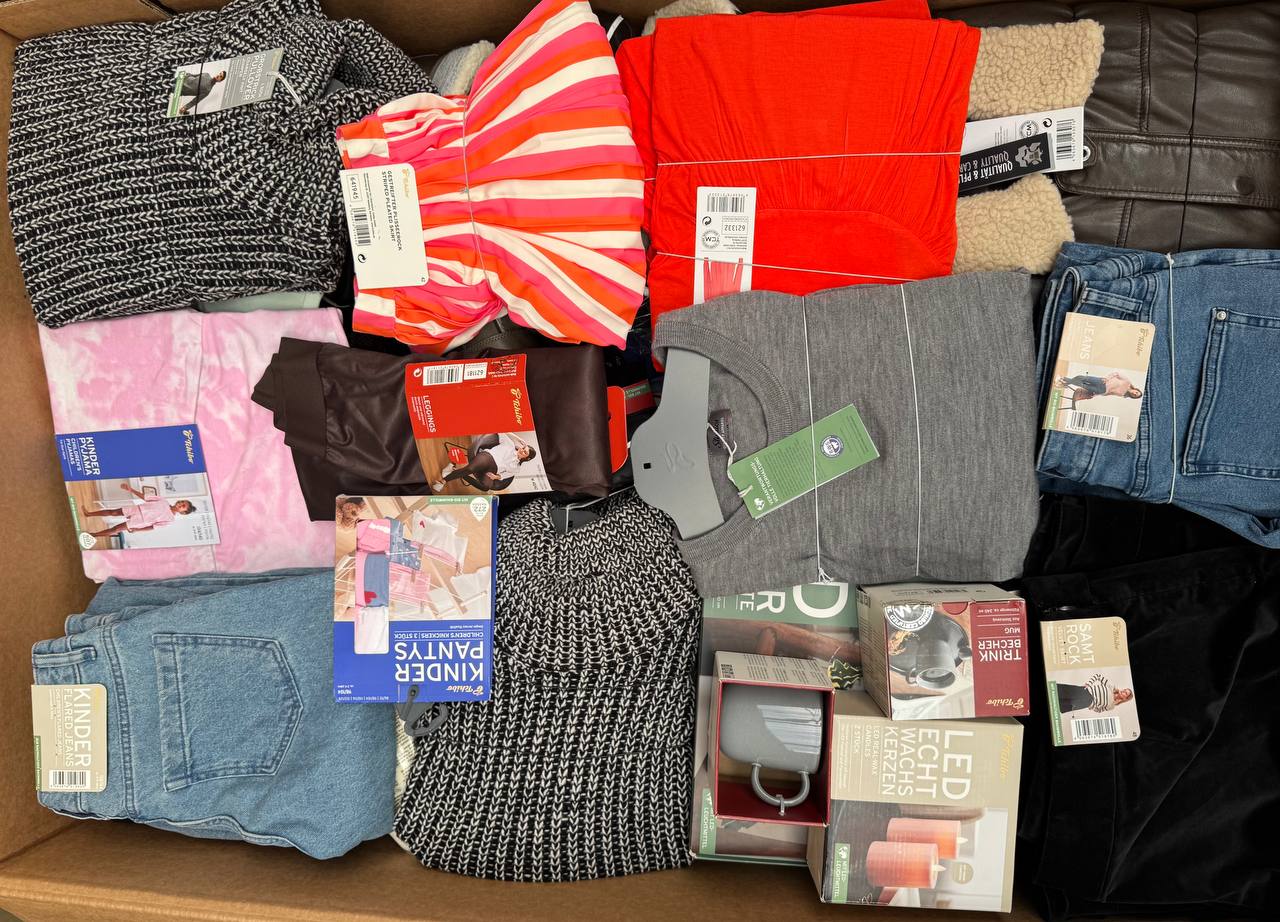
Original goods normally have real brand labels, sewn labels, care labels, barcodes, hang tags or retail packaging, depending on the lot profile.
Warehouse evidence
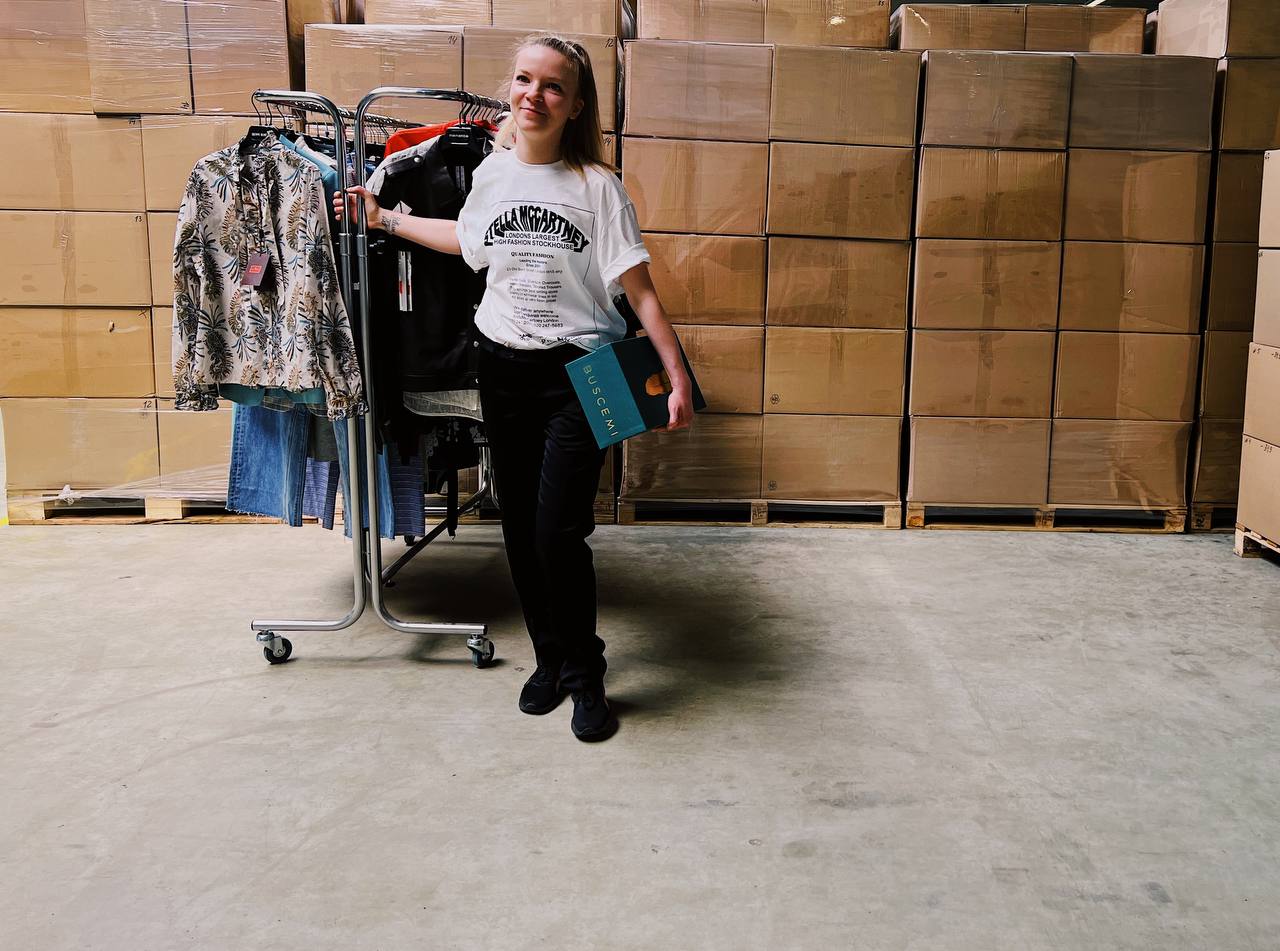
The buyer should see real goods, real cartons and real packaging details instead of only generic catalogue images.
01
Replica stock can destroy a buyer’s margin after the purchase.
A replica lot can look profitable at first: low price, famous names, big quantities. The problem usually appears later. Customs can ask for proof of origin. Marketplaces can block listings. Retail partners can refuse the goods. End customers can complain, and one bad batch can damage a store for years.
For a B2B buyer, the real price of a lot is not only the invoice price. The real price includes the risk of delay, seizure, refund claims, legal questions and a damaged sales channel. That is why original goods with documents are often cheaper in the long run, even when the first price looks higher.
02
Original stock should have a visible commercial story.
Original branded stock does not need a mysterious story. It should be possible to explain what it is: overstock, end-of-season goods, shelf-pull stock, outlet inventory, retail surplus, or another legitimate channel. The seller may protect supplier names, but the lot should still have a coherent commercial profile.
That profile includes quantities, product groups, brand mix, condition, packaging, labels, minimum order and handover terms. If the seller can only show a few beautiful product pictures but cannot explain the lot, the buyer should slow down.
03
Original does not always mean Category A.
Some buyers hear “original” and assume every piece is sealed, tagged and perfect. That is not how the stock market works. Original goods can be Category A, B or C. The difference is not authenticity; the difference is condition, packaging, tags, handling history and the work needed before resale.
Category A is usually more expensive because it is the cleanest profile. But Category B and Category C can also be very strong buying opportunities when they are described honestly and filtered properly at the warehouse.
04
A good seller makes the risk visible before you pay.
No stock lot is risk-free. Sizes can be uneven, packaging can differ, a mixed lot can include stronger and weaker brands, and some categories need more sorting. The point is not to pretend those facts do not exist. The point is to show them early enough for the buyer to price the lot correctly.
At CTOK, we prefer clear lot-level disclosure: what is in the lot, what is known about packaging, what documents exist, what condition profile applies, and what the buyer should expect at EXW handover in Germany.
Next guide
Original goods can be Category A, B or C
Read the next article about condition categories, why Category A costs more, and why Category B or C can sometimes create stronger margin.
Read about stock categoriesWhat real stock evidence looks like
The strongest proof is practical: cartons, labels, packaging, quantity tables and photos from the goods that will actually be sold.
Buyer check
Original branded stock vs replica stock
Checklist
What a buyer should ask before buying any lot
- Is the stock original, and what type of channel did it come from?
- Are there real lot photos from the warehouse?
- Is there a packing list, item table or category breakdown?
- Are labels, tags and packaging described clearly?
- Is the condition category clear before payment?
- Are minimum quantity, origin and handover terms confirmed in writing?
CTOK B2B
Need original stock with a clear paper trail?
Send your category, target volume and destination. We will reply with available original stock lots, current commercial terms and the documents we can provide for review.